
September 8, 2026
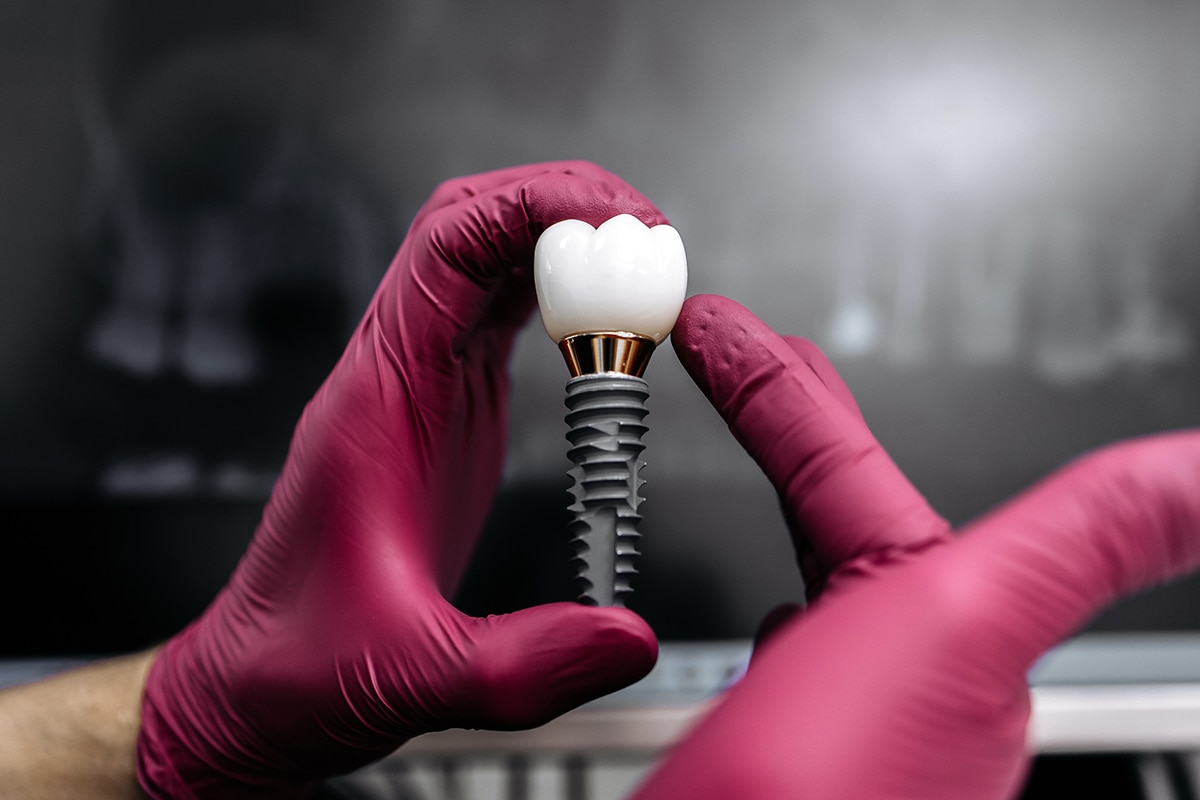
Dental implants can provide a stable, long-term way to replace missing teeth, but getting an implant is a process rather than a single appointment. One of the most important parts of that process is healing. After an implant is placed, the surrounding tissues and bone need time to recover and create a strong foundation for the final restoration.
At Grand Avenue Dental Studio, we believe patients should understand what to expect throughout their care. Our Chickasha dental team uses advanced technology, including CBCT imaging and digital scanning, to help evaluate patients and plan dental implant treatment according to their individual needs. While every patient's dental implant healing timeline is different, understanding the typical stages can make the process feel much more manageable.
What Happens Immediately After Dental Implant Placement?
The healing process begins as soon as the dental implant is placed. During implant surgery, the implant is positioned within the jawbone where a natural tooth root was previously located. Once placement is complete, the body immediately begins repairing the surrounding tissues.
During the first few days, some swelling, tenderness, bruising, or minor bleeding may occur around the treatment area. These are common responses following oral surgery, although the amount of discomfort and the length of recovery can vary from patient to patient. We provide specific aftercare instructions based on the treatment performed so patients know how to care for the surgical area at home.
Patients may be advised to temporarily modify their diet and avoid putting unnecessary pressure on the implant site. Softer foods can make eating more comfortable while the tissues begin healing. It is also important to follow instructions regarding oral hygiene so the mouth can stay clean without disturbing the surgical site.
Some patients require additional procedures as part of their implant treatment. Tooth extractions or other preparatory care can affect the overall recovery timeline, which is why we evaluate each patient individually rather than applying the same schedule to everyone.
The First Few Weeks of Dental Implant Healing
Much of the initial gum healing takes place during the first several weeks. Swelling and tenderness generally begin to improve as the soft tissue around the implant recovers.
Even when the implant site begins to feel normal, however, healing beneath the gums is still taking place. Feeling comfortable does not necessarily mean the implant has finished integrating with the jawbone.
During this stage, patients should continue following the instructions provided by our dental team. Keeping the area clean and protecting it from unnecessary pressure can help support the healing process. Patients should also attend any recommended follow-up visits so we can evaluate how the implant site is progressing.
At Grand Avenue Dental Studio, personalized care is an important part of our approach. We understand that every mouth is different, so follow-up recommendations and treatment timing may vary based on factors such as oral health, the location of the implant, the condition of the bone, and the procedures included in the treatment plan.
Osseointegration Is a Key Part of the Dental Implant Healing Timeline
One of the most important stages of implant healing happens below the gumline. This process is known as osseointegration.
Dental implants are designed to function similarly to natural tooth roots. After placement, the jawbone gradually heals around the implant and establishes a stable connection with it. This biological process helps create the foundation needed to support a future crown, bridge, or implant-supported restoration.
Osseointegration does not happen overnight. It generally takes several months, and the exact amount of time depends on the individual patient. Bone health, implant location, overall oral health, and the complexity of treatment can all influence healing.
Because much of this process occurs beneath the surface, patients may not notice it happening. The surgical area may feel comfortable well before the bone has completed the necessary healing. For this reason, it is important to follow the recommended treatment schedule rather than assuming an implant is ready for its final restoration based on how it feels.
Our team uses advanced dental technology to support implant planning and treatment. CBCT imaging provides a detailed view of underlying structures, while digital scanning can assist with precise treatment planning and restorations. These tools allow us to gather important information about each patient's mouth and develop a customized approach to care.
When Can the Final Implant Restoration Be Placed?
Once sufficient healing and integration have occurred, the implant may be ready for the next stage of treatment. The exact process depends on the type of restoration being used.
A single dental implant may eventually support a custom crown designed to replace one missing tooth. Dental implants can also be incorporated into treatment for patients who need to replace several or all of their teeth. Grand Avenue Dental Studio offers implant-related options that include single-tooth replacement as well as implant-retained and implant-supported dentures.
Before moving forward with the final restoration, we evaluate the implant and surrounding tissues. Our goal is to make treatment decisions based on each patient's healing and oral health rather than an arbitrary date on the calendar.
Some patients may also have a temporary restoration during part of the healing process. The availability and type of temporary restoration depend on the individual treatment plan. For qualifying patients receiving certain implant-supported denture treatments, temporary teeth may sometimes be placed as part of the treatment process.
Once the implant is ready, the final restoration is created to restore appearance and function. Digital technology can help us gather detailed information needed to plan restorations that complement the patient's smile and bite.
What Can Affect How Long a Dental Implant Takes to Heal?
Although there is a general dental implant healing timeline, several factors can influence how quickly treatment progresses.
The amount and quality of available jawbone are important considerations because implants depend on bone for support. Patients with different levels of bone volume or oral health may have different treatment needs.
The number and location of implants can also affect recovery. Replacing a single tooth is different from planning a larger restoration supported by multiple implants. Additional procedures, including extractions, can add healing stages to the treatment plan.
Oral hygiene is another important consideration. Keeping the teeth, gums, and implant area clean according to the instructions from our team can help protect oral health throughout recovery.
Following post-treatment recommendations is equally important. Patients should avoid chewing directly on a healing surgical area when instructed and attend scheduled follow-up appointments. If something does not feel right during recovery, contacting our office allows us to determine whether an evaluation is needed.
Life After Your Dental Implant Has Healed
Finishing the initial healing process does not mean dental implant care ends. Long-term oral hygiene and preventive dental visits remain important for maintaining the tissues surrounding the implant and protecting the rest of the smile.
Although an implant itself cannot develop a cavity, the gums and bone around it still need proper care. Brushing, cleaning around the restoration as directed, and receiving professional preventive care can help support long-term oral health.
Routine appointments also give us an opportunity to examine the implant restoration, surrounding gums, bite, and remaining natural teeth. At Grand Avenue Dental Studio, our goal is to help patients maintain their oral health and protect their smiles over the long term.
Patients considering dental implants should remember that the complete process requires patience. Healing is what allows the body to create the stable foundation that makes implant-based tooth replacement possible. Giving the implant adequate time to heal can be an essential part of achieving a successful restoration.
Plan Your Dental Implant Treatment in Chickasha, OK
A dental implant healing timeline can span several months from initial placement through the final restoration, but no 2 patients follow exactly the same schedule. The first days focus on recovering from the procedure, the following weeks allow the soft tissues to heal, and the months that follow give the implant time to integrate with the jawbone. Once adequate healing has occurred, we can determine when it is appropriate to move forward with the next stage.
At Grand Avenue Dental Studio, we combine personalized care with advanced dental technology to develop treatment plans around each patient's specific needs. If you are missing a tooth or exploring implant-supported options, we can evaluate your oral health, discuss possible treatments, and explain what your individual timeline may involve.
Frequently Asked Questions About Dental Implant Healing
How long does a dental implant take to heal?
Dental implant healing commonly takes several months, particularly because the implant needs time to integrate with the surrounding jawbone. Your individual timeline can vary based on your oral health, implant location, bone condition, and whether other procedures are required.
How long will I be sore after dental implant surgery?
Tenderness and swelling are common during the early stage of recovery and should generally improve as the surgical area heals. We provide individual post-treatment instructions, and patients should contact our office if symptoms are severe, worsening, or otherwise concerning.
Can I eat normally after getting a dental implant?
Dietary modifications may be recommended during the early healing period. Softer foods can help minimize pressure on the surgical site, and patients should follow the specific eating instructions provided by their dental team.
Why do I have to wait before getting my permanent implant crown?
Even if the gums appear healed, the bone surrounding the implant may still be integrating with it. Allowing sufficient time for this process can help establish the stable foundation needed before the permanent restoration is placed.
Do I still need dental checkups after my implant heals?
Yes. Routine dental visits remain an important part of maintaining your oral health after implant treatment. We can monitor the implant restoration, surrounding tissues, remaining teeth, and overall condition of your smile during preventive appointments.
At Grand Avenue Dental Studio, we provide comprehensive dental care for patients in Chickasha, OK and surrounding communities, with services ranging from preventive dentistry to dental implants and full mouth restoration. We use personalized treatment planning and advanced dental technology to help patients understand their options and feel comfortable throughout their care. To discuss whether dental implants may be appropriate for your smile, contact us today.