
October 19, 2026
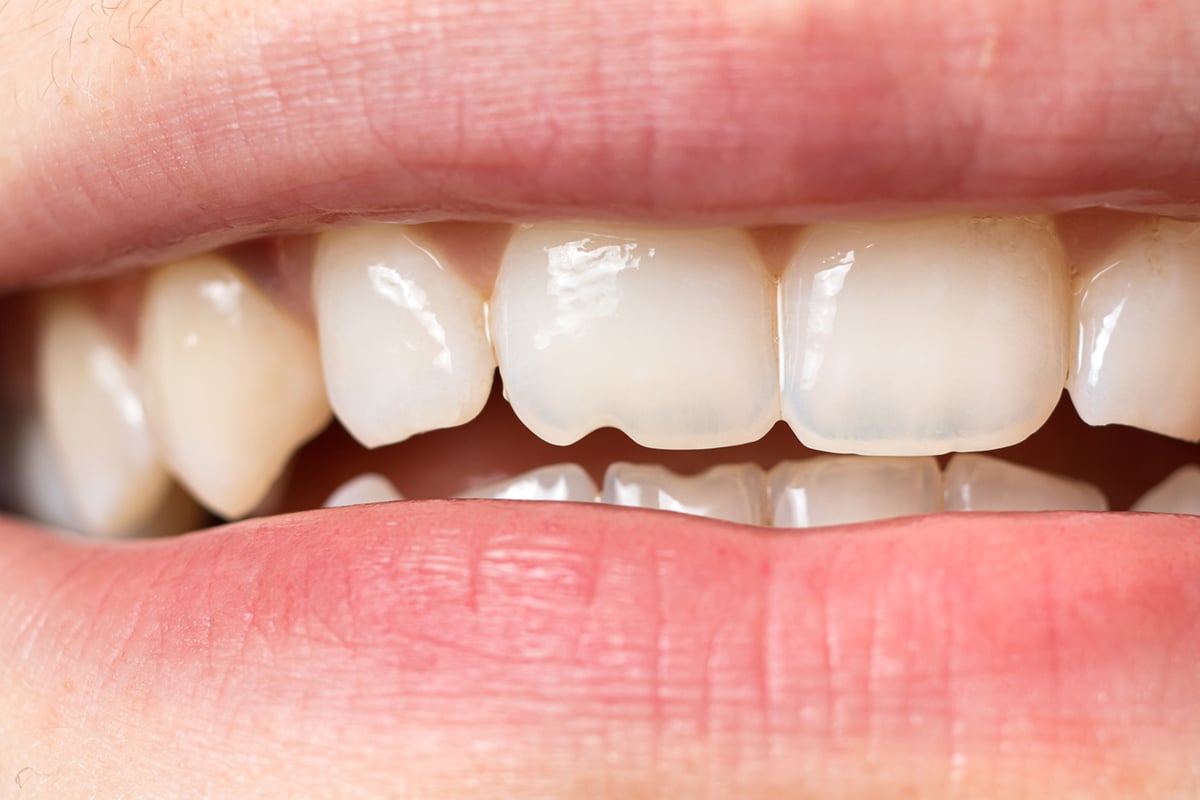
A chipped tooth can happen in an instant. You might bite into a hard piece of candy, take an elbow during a pickup basketball game, or trip on the stairs. One moment everything feels normal, and the next your tongue is running over a sharp edge that wasn’t there before. It’s easy to feel a wave of panic, especially if the chip happens after hours or over a weekend.
At Grand Avenue Dental Studio, we see chipped teeth often, and we want our Chickasha neighbors to know that most chips are very treatable. What you do in the hours between the injury and your appointment can make a real difference in your comfort and in how well the tooth can be repaired. Below, we walk through the steps we recommend so you can protect your smile until you’re in our chair.
Stay Calm and Assess the Damage
The first thing we tell patients is to take a breath. Once you’re calm, look at the tooth in a mirror with good lighting. Try to answer a few questions:
- How large is the chip? Is it a tiny corner or a significant piece of the tooth?
- Is there bleeding from the tooth itself or from your gums, lips, or tongue?
- Do you see any pink or red tissue in the center of the broken area?
- Is the tooth loose, or does it feel out of position?
- Are you in pain, and is it constant or only when you bite or drink something cold?
A small chip with no pain is usually not an emergency, though it still needs attention. A large break, visible pink tissue, heavy bleeding, or severe pain points to damage that may involve the nerve, and you should call us as soon as possible.
Save Any Pieces of the Tooth
If you can find the piece that broke off, keep it. Rinse it gently with water, and avoid scrubbing it. Store it in a small container of milk or saliva, or wrap it in a damp, clean cloth. Bring it with you to your appointment. In some cases, a fragment can be bonded back onto the tooth, and even when that isn’t possible, it helps us understand how the tooth fractured.
Rinse Your Mouth Gently
Rinse your mouth with warm water to clear away debris and small fragments. A mild saltwater rinse, about half a teaspoon of salt in a glass of warm water, can also help keep the area clean and soothe irritated gums. Swish gently rather than vigorously, especially if there is any bleeding.
Control Bleeding and Swelling
If your gums, lips, or cheek are bleeding, press a piece of clean gauze or a damp tea bag against the area for about 10 minutes. Apply a cold compress to the outside of your face near the injured tooth for 15 to 20 minutes at a time to reduce swelling and ease discomfort. If bleeding won’t stop after steady pressure, or if you’ve had a hard blow to the face or head, seek emergency medical care right away.
Manage Pain Safely
Over-the-counter pain relievers such as ibuprofen or acetaminophen can help with discomfort when taken as directed on the label. One important caution: never place aspirin or any pain tablet directly against the tooth or gums. This old home remedy can burn the soft tissue and create a new problem. Over-the-counter numbing gels made for oral use can offer temporary relief if you follow the package instructions.
Protect the Sharp Edge
A chipped tooth often leaves a jagged edge that can scrape your tongue and cheek. To protect your soft tissues, you can cover the edge with a small piece of sugarless gum or dental wax, which is available at most pharmacies. Some drugstores also sell temporary dental filling material that can shield the tooth for a short time. These are stopgap measures only and should never replace a professional repair.
Be Careful About What You Eat and Drink
Until we can examine and repair the tooth, it’s more vulnerable than usual. We recommend that you:
- Stick to soft foods like yogurt, eggs, soup, pasta, and mashed vegetables
- Chew on the opposite side of your mouth
- Avoid hard, crunchy, or chewy foods such as nuts, ice, hard candy, and caramel
- Steer clear of very hot or very cold drinks if the tooth feels sensitive
- Limit sugary and acidic foods and drinks, which can irritate exposed inner layers of the tooth
Keep brushing and flossing as usual, but be gentle around the chipped area.
Call Your Dentist as Soon as Possible
Even if the chip seems minor and doesn’t hurt, it’s important to have it checked. A chip can expose the softer inner layers of the tooth to bacteria, and small cracks that you can’t see may spread over time. When you call, describe what happened, how large the chip is, and any symptoms you’re experiencing. This helps our team decide how quickly you need to be seen.
When you come in, we’ll examine the tooth and, if needed, use advanced imaging such as CBCT scans to look for fractures beneath the surface. From there, we’ll recommend the right treatment. Depending on the size and location of the damage, options may include:
- Polishing or smoothing for very small chips along the edge of the tooth
- Cosmetic bonding, where tooth-colored resin is shaped to rebuild the missing area
- Composite fillings for chips that affect the chewing surface
- Dental veneers for chips on front teeth when you’d like a more complete cosmetic result
- Dental crowns to cover and strengthen a tooth that has lost a large portion of its structure
- Root canal therapy if the break reaches the nerve, followed by a crown to protect the tooth
In rare cases where the tooth cannot be saved, we can discuss replacement options such as dental implants.
Mistakes to Avoid
In the rush to feel better, people sometimes make choices that cause more harm. Please avoid:
- Trying to file down the sharp edge yourself with a nail file or other tool
- Using household glue or super glue to reattach a piece of the tooth
- Ignoring the chip because it doesn’t hurt
- Chewing on the damaged side to “test” it
These shortcuts can lead to infection, further fractures, or damage to the soft tissues in your mouth.
Protecting Your Smile After a Chipped Tooth
A chipped tooth is unsettling, but with quick thinking and the right first steps, you can stay comfortable and give your tooth the best chance at a successful repair. Stay calm, save any fragments, keep the area clean, manage pain safely, and reach out to our team promptly. Once your tooth is restored, we can also talk with you about prevention, such as wearing a mouthguard during sports or a night guard if you grind your teeth. Our goal is to help you get back to smiling, eating, and speaking with confidence.
Frequently Asked Questions About What to Do if You Chip a Tooth Before Seeing a Dentist
Is a chipped tooth considered a dental emergency?
It depends on the severity. A small chip without pain can usually wait a day or two for an appointment. A large break, severe pain, visible pink tissue inside the tooth, or bleeding that won’t stop should be treated as an emergency, and you should call us right away.
Can a chipped tooth heal on its own?
No. Unlike bones, tooth enamel cannot regrow or repair itself. Even a small chip needs professional evaluation to prevent decay, sensitivity, or further breakage.
Can I use super glue to fix a chipped tooth at home?
We strongly advise against it. Household glues are not safe for use in the mouth and can irritate soft tissue, trap bacteria, and make professional repair more difficult.
What if the chipped tooth doesn’t hurt?
A lack of pain doesn’t mean the tooth is healthy. Hidden cracks can spread, and exposed inner layers can become infected over time. Scheduling an exam soon after the chip helps catch problems while they are easier to treat.
How long does it take to repair a chipped tooth?
Many minor chips can be smoothed or repaired with bonding in a single visit. Larger repairs that require a crown, veneer, or root canal therapy may take more than one appointment, and we’ll walk you through the timeline during your visit.
Grand Avenue Dental Studio has proudly provided comprehensive general, cosmetic, and restorative dental care to families in Chickasha, Oklahoma, for more than 40 years, using advanced technology like CBCT imaging and digital scanners. If you’ve chipped a tooth or need a dental checkup, contact us today to schedule an appointment with our caring team.